
For decades, pipe material selection was treated primarily as a technical and cost decision. As long as systems met code and passed inspection, piping was often considered “solved.” That assumption no longer holds. Today, a growing body of claims data, forensic investigations, and case law shows that when piping systems fail, the consequences extend far beyond repair costs. Architects, engineers, manufacturers, owners, and insurers are all paying closer attention.
Insurance scrutiny is getting sharper
When plumbing components fail, insurers no longer simply write checks and move on. Claims are now routinely investigated by specialized forensic engineers tasked with determining the cause and origin of the loss. These investigations examine material selection, chemical compatibility, installation practices, service conditions, and maintenance history. Their findings often determine whether coverage applies and whether subrogation against manufacturers, design teams, installers, or other parties is pursued
Plumbing components—particularly pipes and fittings—are frequent subjects of forensic testing. Even relatively small failures can lead to extensive property damage, business interruption, and multi-party claims. As insurers face rising losses, they are more motivated than ever to identify accountability. That reality alone elevates the importance of upstream material decisions.
Failure is rarely simple… or isolated
Field investigations consistently show that piping failures are rarely attributable to a single cause. Material choice interacts with factors such as support systems, temperature, chemical interactions, installation practices, and nearby construction materials. In plastic piping systems, for example, issues such as environmental stress cracking, deformation, oxidation, and chemical exposure all can play a role in causing issues, sometimes years after installation.
Such failures often surprise building owners and juries alike. While plastics can perform well in many applications, they are also more sensitive to service conditions than commonly assumed. When cost or schedule pressures override compatibility and durability considerations, the risk of premature failure increases. Once a loss occurs, insurers and their investigators revisit those decisions in hindsight, closely examining documentation, specifications, and assumptions.
 Legal exposure for design professionals is expanding
At the same time insurers are sharpening their investigations, courts are widening the scope of professional liability for architects and engineers. Recent legal discussions show erosion of long-standing protections such as privity of contract. Designers are increasingly being kept in lawsuits based on supervisory roles, perceived influence over construction decisions, or awareness of site conditions, even if contracts attempt to limit responsibility.
This trend has contributed to higher professional liability premiums and greater claim severity. Importantly, designers may ultimately prevail in court yet still incur substantial defense costs and reputational damage along the way. Pipe material selection, substitutions, and coordination gaps can all become part of these disputes, especially when failures lead to water damage, fire spread, or occupant impacts.
Owners and inspectors are seeing the consequences
Plumbing-related claims are among the most common sources of disputes in residential and commercial buildings. Misidentification of pipe materials, hidden leaks, and failures behind walls frequently trigger claims against inspectors, builders, and designers. Replacement costs are high, disruption is immediate, and expectations often exceed what warranties or inspections actually cover.
In new construction, defects may not become apparent until seasonal changes or system aging expose weaknesses. At that point, responsibility may be contested among builders, manufacturers, and designers, particularly if documentation is incomplete or substitutions were poorly tracked.
Why this matters now
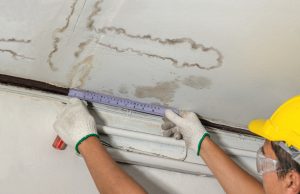 What has changed is that the tolerance for plumbing failures has dropped. Insurers face mounting losses. Owners are more aware of risk. Courts are more willing to test professional boundaries. And emerging research on issues like microplastics, chemical leaching, and long-term material stability is expanding the conversation beyond immediate performance to health and sustainability implications.
As a result, teams can no longer make decisions related to pipe materials solely on first cost or code compliance. They must assess them through a broader lens, considering resilience, compatibility, and long-term risk.
For architects, engineers, and owners, this moment calls for a shift from habit-based specification to evidence-informed decision making. That includes asking harder questions about material limitations and service conditions, challenging assumptions, and recognizing where uncertainty remains.
Code compliance remains essential, but it is no longer the finish line. Piping decisions now should be considered risk-management decisions, with legal, financial, and reputational consequences that extend far beyond the mechanical room. Understanding that reality is the first step toward safer, more resilient plumbing systems… and fewer surprises when things go wrong.