
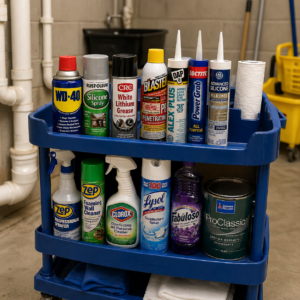
Plastic pipes made of PEX, CPVC, and PVC have become increasingly popular in residential and commercial plumbing over the past four decades. Promoted as cost-effective and easy to install, these materials are often selected without fully considering their long-term performance, particularly chemical compatibility with the environments where they are installed. Research from the industry shows chemical incompatibility poses significant risks to plastic piping systems.
In contrast to metal pipes made of cast iron, copper, and steel, plastics are far less resilient materials. The chemical structures of plastic pipes are vulnerable when exposed to a range of substances commonly found in buildings, including
- cleaning agents,
- lubricants,
- firestopping materials,
- pesticides,
- mold/mildew treatments,
- construction adhesives, and even
- disinfectants used in water treatment.
When these substances come into contact with plastics, the resulting interactions can damage the pipe, causing swelling, softening, cracking, or even catastrophic failure.
Our reports on issues related to plenum space piping and value-engineering, as well as the Safe Piping Matters Specification Guide, document some of these risks, noting that dozens of different chemicals have been identified as potentially incompatible with various plastic pipes. These include products used regularly by maintenance and janitorial staff. Many of these substances can cause gradual damage to pipe integrity that may not become apparent until it’s too late.
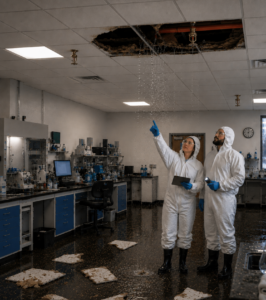
Real-world failures have already demonstrated the consequences. One of the most notable examples occurred in a Miami condominium. In this building, CPVC sprinkler pipes failed due to chemical interactions with lubricants used to maintain HVAC systems, causing hundreds of thousands of dollars in water damage. Insurance and court records cite similar incidents in convention center spaces and sensitive development areas that displaced business and caused expensive downtime, failures that led to legal disputes.
The lesson should have been learned decades ago. In the 1980s and 1990s, polybutylene piping was marketed as a modern, affordable plumbing solution. It was widely installed in millions of homes before systemic problems emerged. Polybutylene pipes failed when exposed to common disinfectants such as chlorine, leading to widespread leaks, lawsuits, and eventually a class-action settlement that cost the industry more than $1 billion. The core problem? Chemical incompatibility.
Such failures are not outliers. They are the predictable result of engineering decisions made to cut cost at the expense of long-term safety and resilience. When builders and designers select plastic pipes to reduce material and labor costs without a comprehensive assessment of chemical exposure risks, they risk creating liabilities that far exceed any savings.
Critically, the assumption that all code-compliant materials are created equal is untenable. Plastic pipes may technically meet NFPA and ASTM standards or pass NSF testing, but that does not automatically make them compatible with the actual conditions in a specific project. Metal piping systems like cast iron, copper, and steel are far more resistant to chemical attacks from common building and maintenance materials.

To protect building occupants and avoid costly repairs, insurance liability, or even litigation, specifiers should evaluate the full chemical profile of the installation environment. This includes reviewing materials used in adjacent systems – including HVAC, firestopping, insulation, and wiring – and understanding building maintenance protocols. Plastic pipe manufacturers have issued long lists of incompatible substances, yet these warnings often go unheeded on job sites. The result is a silent failure mode that can take years to reveal itself.
Building safety, sustainability, and health are under increasing scrutiny, and overlooking the issue of chemical incompatibility in piping systems is no longer acceptable. Codes and standards should evolve to require full chemical compatibility assessments for plastic piping systems, and building teams should adopt a cautious approach when selecting materials. Use this checklist to assess and manage risk during design, installation, and operation.