Codes Must be Responsive to Current and Future Hazards
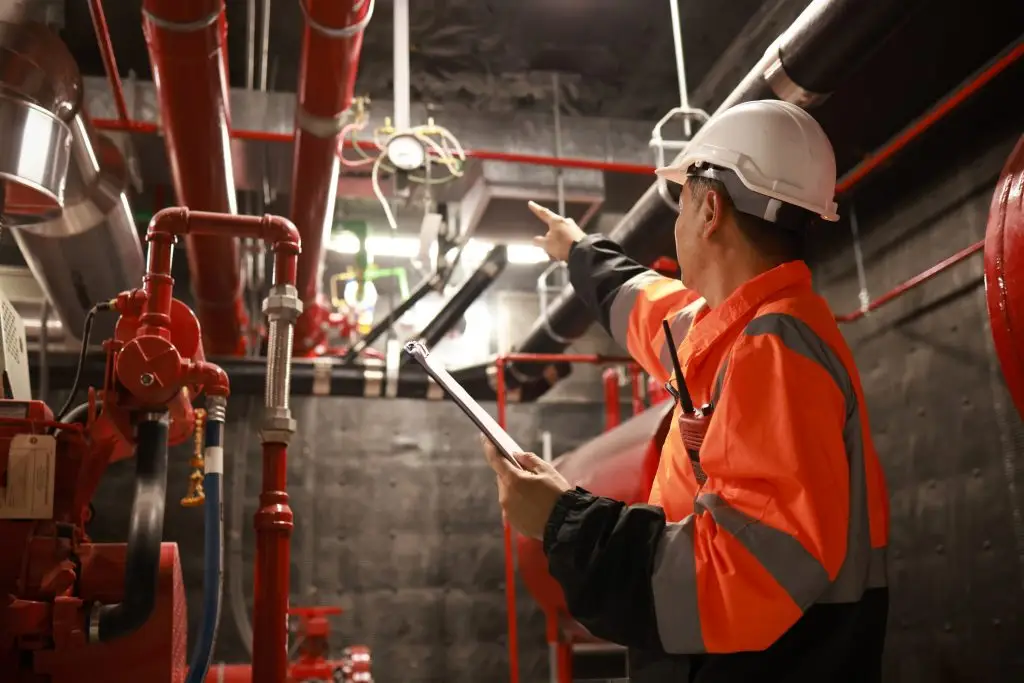
Codes Must be Responsive to Current and Future Hazards By Jay Peters, Codes & Standards International In one of my recent articles, “Building Products, They Comply with Code But Are They Safe,”I insinuated that PVC and some plastics could become the next asbestos or lead and caught some flak from friends in the plastic piping […]
Plumbing and Firefighting Associations Call for Plastic Piping Ban
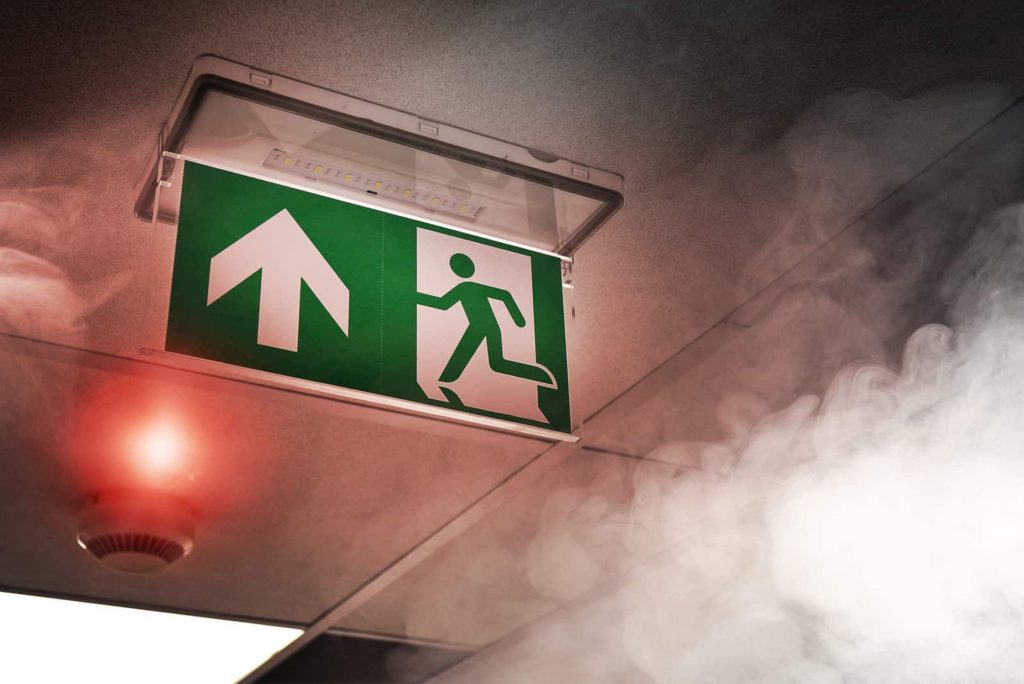
Plumbing and Firefighting Associations Call for Plastic Piping Ban The International Association of Fire Fighters (IAFF) and the United Association of Plumbers, Fitters, Welders and HVAC Service Techs (UA) recently called for a ban on plastic piping in hospitals, nursing facilities, high rise residential structures, and healthcare facilities. Using materials other than plastic will reduce […]
How Do Microplastics Enter the Water Supply?
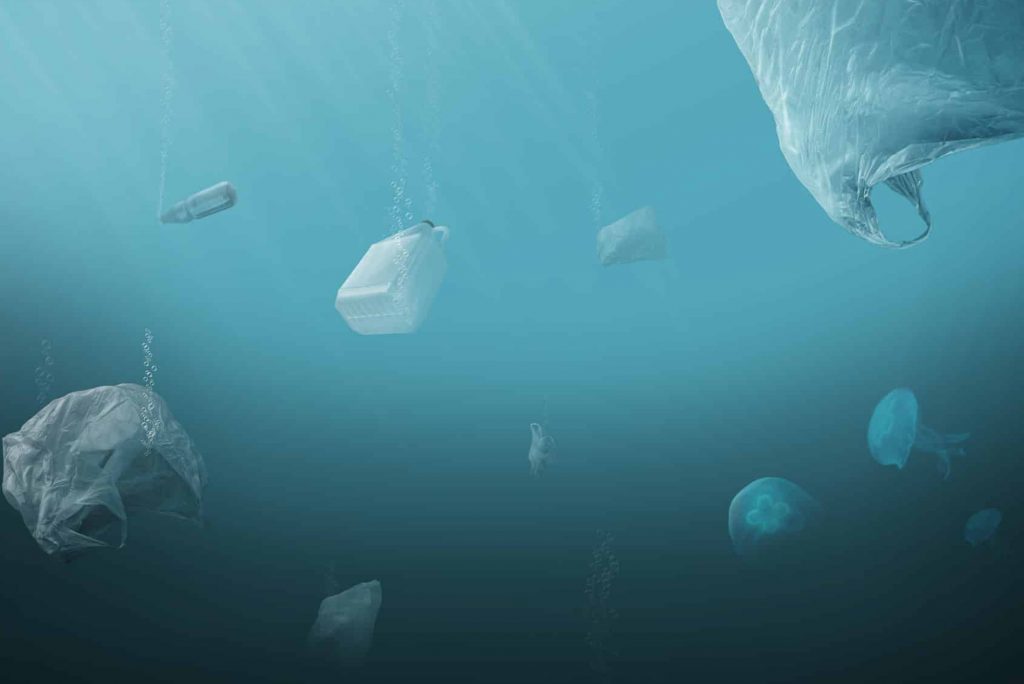
How Do Microplastics Enter the Water Supply? Microplastics are small pieces of plastic less than five millimeters in length and represent a serious threat to the safety of our water. Microplastics release toxic chemicals, are consumed by both people and animals, and are prevalent throughout North America’s water infrastructure. How does all this plastic find […]
Are Copper Pipes Safe?
Are Copper Pipes Safe? When considering piping options, a material’s safety should be a primary consideration along with reliability, durability and other performance factors. As a long-standing option for piping, it’s important for contractors, building owners, homeowners and municipal officials to understand how a material like copper measures up in terms of health, safety and […]
Study: Majority of Leached Substances Are Carcinogenic, Toxic, or Unregulated
Study: Majority of Leached Substances Are Carcinogenic, Toxic, or Unregulated A recent study from Gradient identified 163 substances that leach from plastic piping systems into potable water. These include proven carcinogens and reproductive toxins, as well as many unregulated chemicals with unknown impacts. What Piping Materials Leach Chemicals? The study analyzed and concluded that all […]
Water Quality and the Global Microplastic Crisis
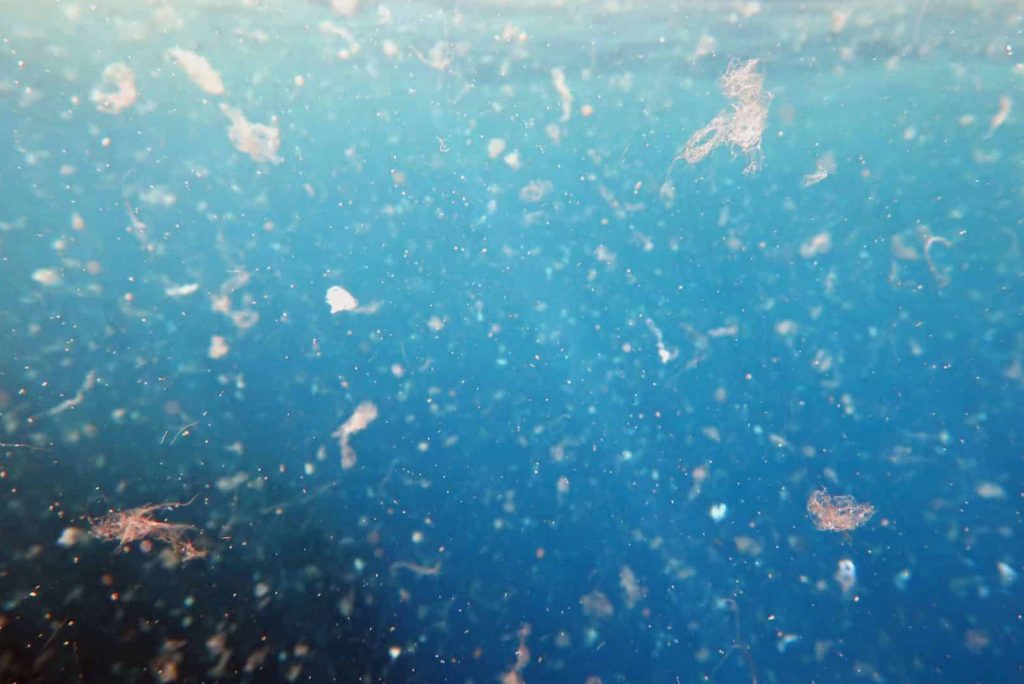
Water Quality and the Global Microplastic Crisis The use of plastic piping has become commonplace, yet there is mounting evidence that plastic is directly damaging water quality. Over the past few years, several third-party studies have made three conclusions: microplastic fragments are abundantly present in water, humans are unknowingly consuming them, and they release toxins when […]
Fires Melt Plastic Pipes and Release Carcinogens into Water Supplies
Fires Melt Plastic Pipes and Release Carcinogens into Water Supplies As fires like the devastating Camp Fire occur nationwide, water quality crises have become part of the aftermath. In recent years wildfires have claimed cities, communities and millions of acres of land. According to the National Interagency Fire Center, 10 million acres burned in 2017, 8.8 […]
4 Ways Contaminants Penetrate a Building’s Water Supply
4 Ways Contaminants Penetrate a Building’s Water Supply In North America, the benzene, toluene, ethylbenzene and xylene (BTEX) hydrocarbon group represents a main source of groundwater contamination. Its ability to permeate many common piping materials makes it especially difficult to protect against, which can be concerning considering BTEX is an established carcinogen. The Environmental Protection Agency has […]
Disinfectants Cause Odorous Chemicals to Leach from Plastic Piping
Disinfectants Cause Odorous Chemicals to Leach from Plastic Piping Piping and distribution systems can have a direct effect on the taste, odor and quality of drinking water. While North America’s water supply may be more secure than other parts of the world, water quality threats are still present. Nearly two-thirds of water resource experts characterize […]
The Rise and Fall of Lead Piping: A Brief History
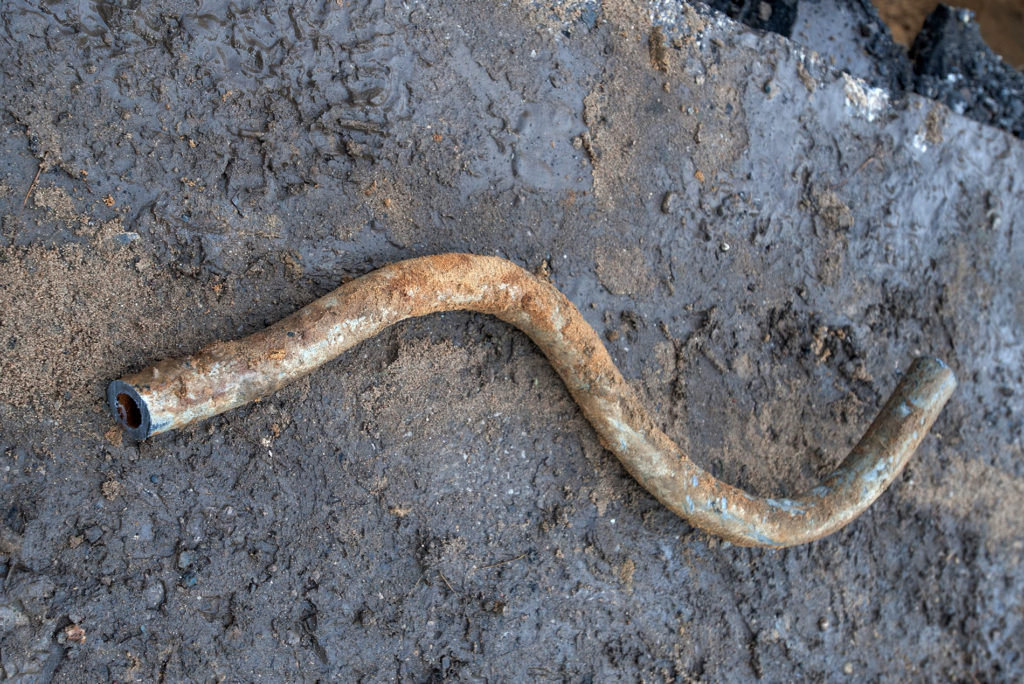
The Rise and Fall of Lead Piping: A Brief History Lead piping was used in almost every major U.S. city for many plumbing applications in 1900, including to transport drinking water. Millions of lead pipes are still in in use across the country. As demonstrated by serious lead-in-water incidents in Flint, Michigan; Milwaukee, Wisconsin; Newark, New Jersey […]