Vinyl Chloride Haunts East Palestine
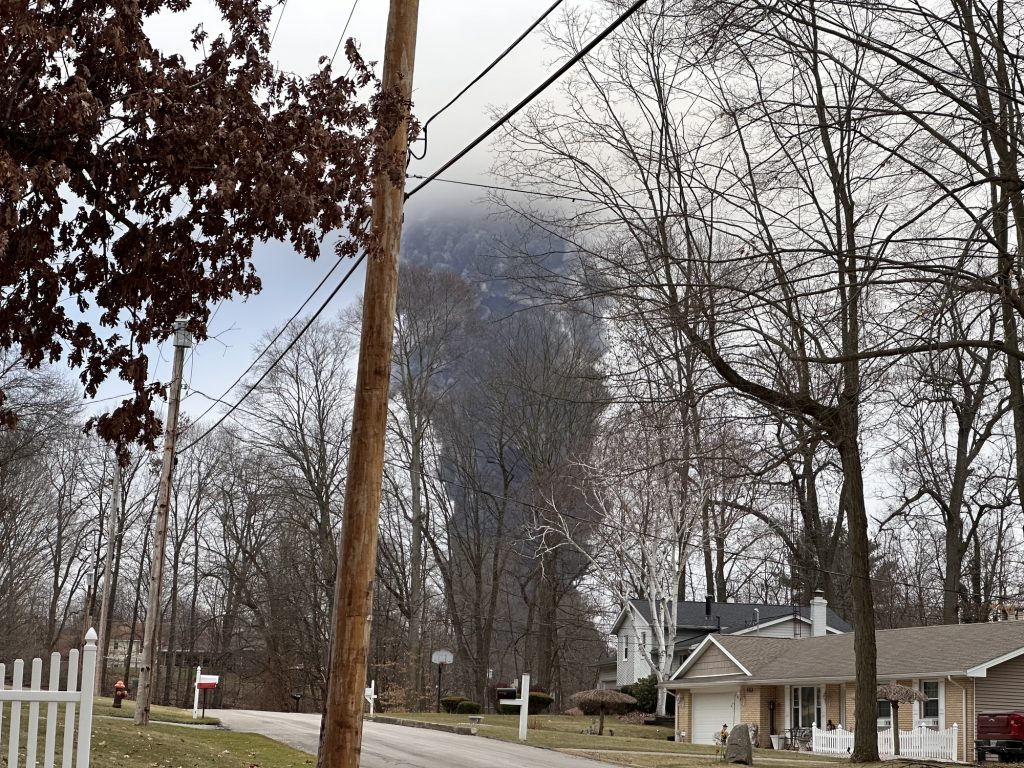
One year after a train derailment contaminated the town of East Palestine, Ohio, with over a million pounds of toxic vinyl chloride, consequences of the disaster continue to impact the community of over 4,500 residents.
Plastic Pipes, Microplastics & Impacts on Human Health
Research identifies plastic pipes as a significant source of microplastics & nanoplastics in potable water systems. Both PVC and PE pipes crack and peel “relatively quickly” as they age, releasing plastic particles. When people ingest the particles flaking from plastic pipes, it increases their exposure to plastic pollution.
How AEC Design Choices Can Protect Health
Safe Piping Matters recently spoke with Anjanette Green, Senior Director of Product Transformation for the Healthy Building Network, about Informed, an impressive new platform to help project teams identify healthier building products, including the design and specification of plumbing systems.
Risks to East Palestine Piping from Vinyl Chloride Spill

In February 2023, over 1 million pounds of carcinogenic vinyl chloride fouled the air, soil, & water of East Palestine OH. Contamination remains a serious concern despite declarations of safety. Safe Piping Matters calls for officials to recommend that families take measures to protect themselves.
Firestopping Pipe Penetrations: Materials, Issues & Recommendations
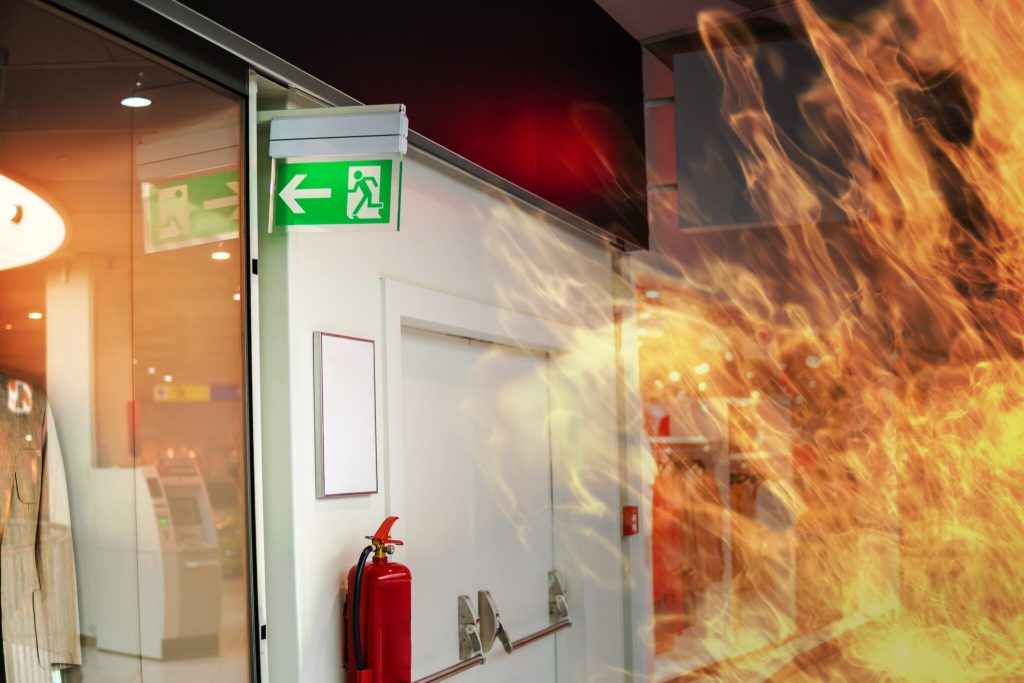
This report reviews issues related to firestopping assemblies for various plastic piping materials including polyvinyl chloride (PVC), chlorinated polyvinyl chloride (CPVC), polyethylene (PE), & crosslinked polyethylene (PEX) plastic, as well as non-combustible piping materials such as copper, iron, & steel.
Webinar: The ONE Pipe Material Course You Have to Take

This course cuts through marketing claims and examines the real-world performance of common piping materials.
Evaluating Plastic Pipes: Combustibility & Toxicity
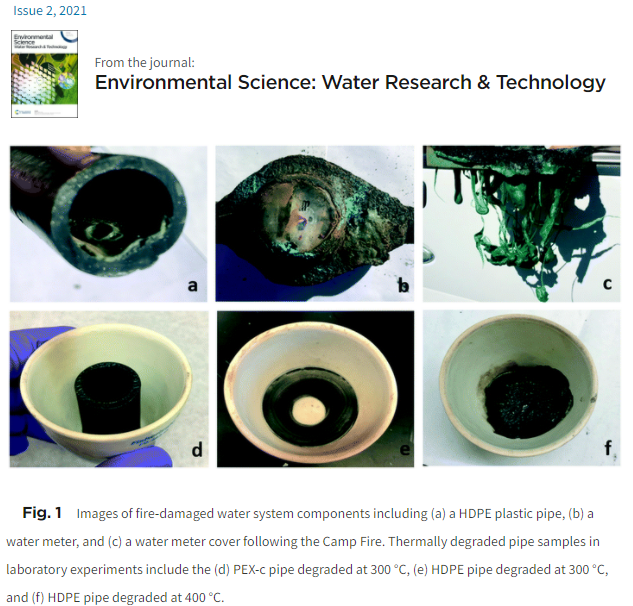
Engineers and architects use plastic pipe for many critical systems – including drain, waste, and vent (DWV), water distribution, fire suppression sprinklers, and other applications – across a wide variety of building types. These systems are installed throughout structures, making it essential to understand how they will perform during fire incidents. This report examines fire safety aspects of plastic piping materials, including one of the most commonly used, polyvinyl chloride (PVC), through a review of relevant research.
Fire Safety Characteristics of Pipe Materials

Part 2 of our recap of the presentation & discussions at the BSS conference. We focus on fire safety issues like combustibility, toxic releases, & firestopping.
Sustainability Characteristics of Piping Materials
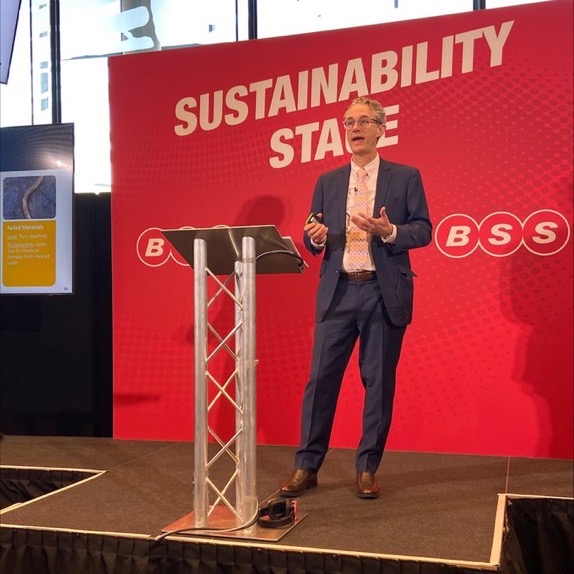
Contractors, engineers, & manufacturers raised great questions after our presentation to the invite-only BSS Conference at Wembley Stadium in London. We focused on two important issues that don’t always get the focus they deserve: sustainability & fire safety
Why Plastic Recycling is a Fail: It’s the Material
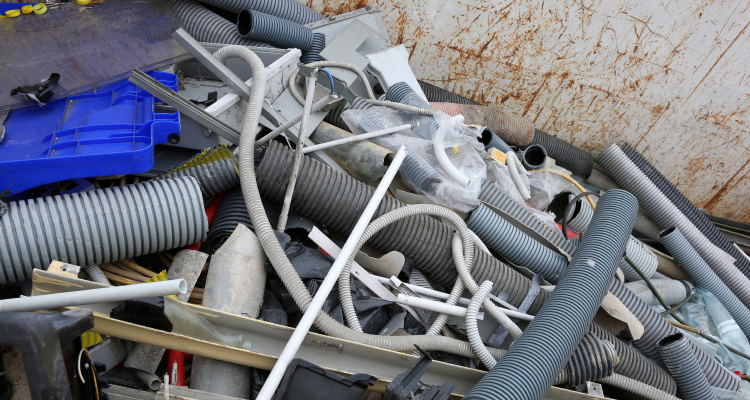
While it may be easy to produce, plastic building materials represent the antithesis of circularity and sustainability. Companies engineer these materials to be flexible, lightweight, and cheap to produce. They are in no way designed to be recycled, however.